I’m writing this post because a girl at my bookclub asked me how I read so much.
I told her that I don’t scroll and I deliberately do not open my social media apps unless I have to.
Reading a real book has become challenging to so many people because we are so used to being constantly stimulated and interrupted by our phones.
There was a point where I realized I wasn’t even enjoying my screen time anymore.
I’d pick up my phone automatically, scroll for a while, and then put it down feeling strangely tired.
And the worst part was how automatic it had become!
I’d reach for my phone during every tiny pause in the day. While waiting for my eggs to boil. While eating. Before bed. Right after waking up. It felt like my brain had forgotten how to exist normally, lol!
What actually worked were analog habits, basically, small physical rituals that gave my hands and brain something slower to reach for instead.
And the funny thing is, once I started doing these little offline activities more often, my phone naturally became less interesting.
So if you’ve been craving a softer, slower kind of life lately, these cozy analog habits might help more than you think.
This post contains affiliate links, meaning I may make a commission at no extra cost to you if you decide to click on a link and purchase something. Click here to read the full disclaimer.
1. Read Physical Books Instead Of Reading Everything On Your Phone
Reading a book is beautiful.
No notifications. No switching apps halfway through. No accidentally opening Instagram “for one second” and losing 45 minutes
Even reading just 10 pages before bed feels calmer than staring at a screen until your eyes hurt.
Physical books make evenings feel slower in the best way. Especially with tea, warm lighting, and a blanket nearby.
2. Keep A Tiny Pocket Journal Nearby
This helped me SO much with mindless scrolling.
Half the time, I’d grab my phone because my brain wanted stimulation or somewhere to put thoughts. A tiny notebook gives your mind somewhere else to go.
You can write:
- Random thoughts
- Grocery lists
- Tiny observations
- Dreams
- Things you want to remember
- Things you’re grateful for (this one helps you feel so positive!)
- Overdramatic emotional thoughts at midnight 😭
It doesn’t have to be deep or aesthetic.
3. Listen To Music Without Looking At Anything Else
Not while scrolling. Not while multitasking, okay?
Just sit there and listen properly to all the songs that you’re vibing with right now.
Sometimes, I have Carpenters days, sometimes I want to listen to Celine Dion. Sometimes I like the Eagles or the Scorpions. I’ll have Pop days and Hard Rock days!
It feels weirdly emotional when you haven’t done it in a while.
Your brain slows down differently when it’s not splitting attention between five things at once.
4. Start A Puzzle You Can Return To Every Day
I love, love, love puzzles.
I get that they’re not for everyone!
Puzzles are honestly underrated for anxious brains.
They keep your hands busy without overstimulating you. And because you can come back to them slowly over time, they become this comforting little ritual.
Especially during evenings when you’d normally doomscroll.
5. Write Letters Or Postcards
I do this willfully and lovingly because I am in my 30s and I love my friends!
Nobody does this anymore, which honestly makes it feel even more special.
Even writing a long handwritten note to a friend feels more meaningful than sending another quick text.
And if you don’t want to send them? Write letters to yourself.
6. Start Collecting Recipes In A Physical Notebook
This becomes such a cozy habit over time.
Instead of saving random TikTok recipes you’ll never find again, write down recipes you actually love and return to often.
Once you make the dish and love it, take a photo, get it printed and stick it next to the recipe. I love doing this!!!
Eventually it starts feeling like your own little family cookbook.
7. Drink Tea Or Coffee Without Your Phone Nearby
Sip and focus on the flavor without your phone.
This sounds tiny but it changes the whole mood of your morning.
Instead of instantly consuming information, you let yourself wake up slowly. You notice the taste, the warmth, the quiet.
It feels less like surviving the day and more like entering it gently.
8. Try Coloring Books For Adults
I saw my friends hooked on this and it’s so cute!
This one surprised me.
Coloring feels childish in the best possible way. Your brain gets to focus on something simple and repetitive instead of constant information.
And honestly? It’s incredibly calming before bed.
Try: Cozy Corner Coloring Book
9. Build A Night Routine That Doesn’t Include Screens
The quality of your evenings changes SO much when your night isn’t just:
scroll → scroll → scroll → sleep.
Try replacing even 30 minutes with:
- Reading
- Stretching
- Tea
- Journaling
- Skincare
- Music
- Quiet cleaning
Your brain feels noticeably softer afterward.
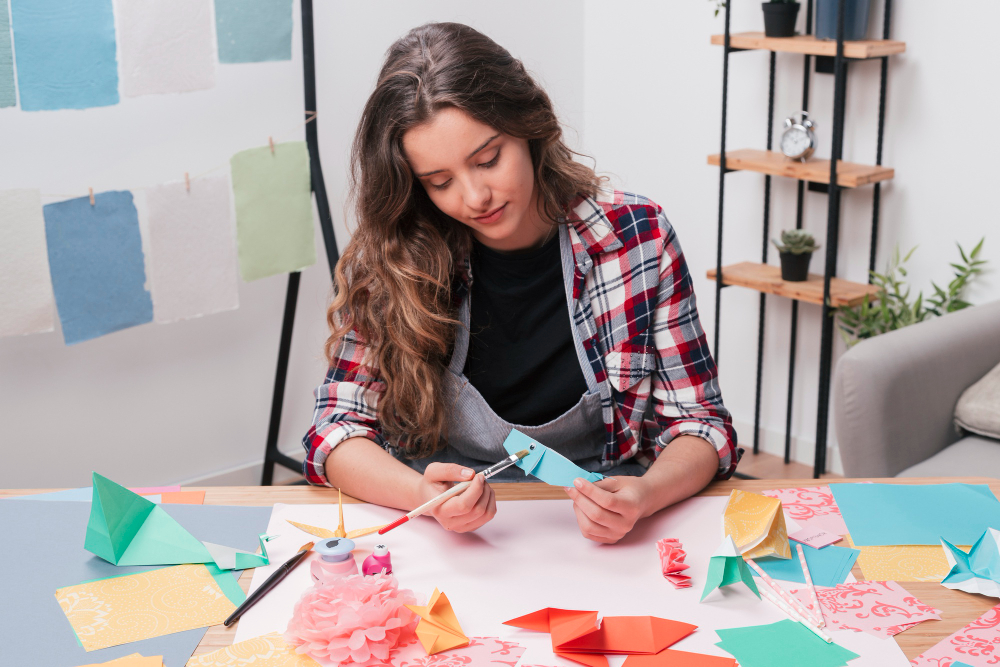
10. Learn One Slow Hobby That Uses Your Hands
Crochet, knitting, embroidery, pottery, baking… anything tactile.
I myself prefer the piano, writing and journaling!
Screen time keeps your brain overstimulated but your body inactive. Analog hobbies reconnect your mind and hands again.
And there’s something deeply satisfying about physically making something.
11. Print Your Photos Instead Of Letting Them Rot In Your Camera Roll
Most of us have thousands of photos we never look at again.
Printing them changes everything. Suddenly your memories become real objects instead of digital clutter.
You can create:
- Scrapbooks
- Wall collages
- Journals
- Memory boxes
It feels much more personal than endlessly scrolling through old pictures.
12. Visit Libraries Or Bookstores More Often
I do this with my little tote bag and I feel so good!
These places naturally slow you down.
Nobody’s rushing. Nobody’s aggressively selling productivity. People are just quietly existing around stories and ideas.
Honestly, bookstores feel therapeutic sometimes and the best part is there is a book for everyone!
13. Keep A “Bored Basket”
This is SUCH a good trick if you automatically grab your phone.
Fill a basket with cozy analog activities:
- Puzzle books
- Journals
- Pens
- Coloring books
- Crochet
- Playing cards
- Tiny crafts
So when boredom hits, your brain sees alternatives immediately.
14. Write To-Do Lists On Paper
Physical lists feel calmer than digital productivity apps sometimes.
Crossing things off by hand feels weirdly satisfying too.
Your brain processes tasks differently when they’re physically visible.
15. Start Romanticizing Tiny Offline Moments
A lot of screen addiction comes from feeling like “real life” is boring compared to online stimulation.
But real life becomes softer when you pay attention to it.
The sound of rain. Fresh sheets. Making soup slowly. Lighting a candle at night. Rearranging bookshelves. Sitting outside after sunset.
Those moments start feeling richer once your brain stops expecting constant dopamine every 8 seconds.
16. Keep Your Phone In Another Room Sometimes
Not forever, lol. Just sometimes.
Especially during:
- Meals
- Reading
- Creative hobbies
- Mornings
- Before bed
Physical distance helps more than people realize.
17. Let Yourself Be Understimulated Again
This is probably the hardest habit.
Most people can’t sit quietly for 2 minutes without looking at their phone.
Let yourself be bored, my love.
We’re so used to constant entertainment that silence feels uncomfortable now. But boredom is actually where creativity, reflection, and calm start returning.
You don’t need to fill every second!
Some of the best parts of life happen in the quiet spaces between stimulation.
Final Thoughts
Reducing screen time gets easier when your offline life feels comforting enough to return to.
You just need better alternatives. Small analog rituals that make your real life feel slower, warmer, and more human again.
And over time, your phone naturally stops feeling like the most interesting thing in the room. 🤍