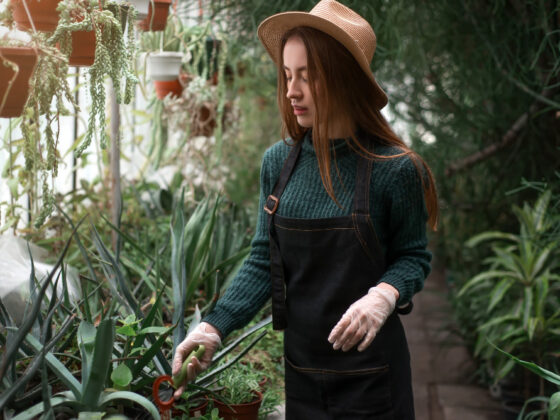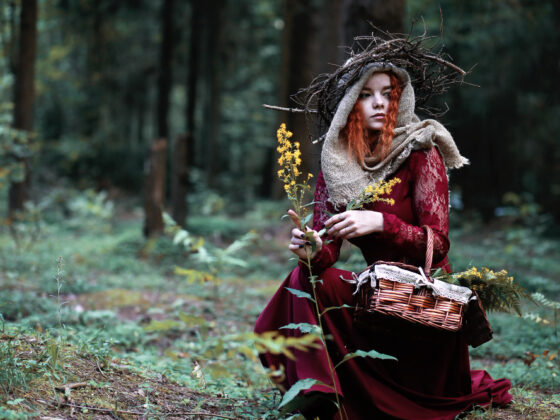
I feel the world of Witchcraft can be overwhelming.
I imagined that “real witches” knew exactly what they were doing. They probably had beautiful altars covered in crystals, memorized the phases of the moon, grew herbs in their gardens, and casually knew the difference between fifty different types of incense.
Meanwhile, I was googling things like, “Do I need to own a cauldron?” and “Can you be a witch if you don’t have a black cat?”
I think a lot of women secretly feel drawn to witchcraft, but hesitate to explore it because they assume they aren’t doing it correctly.
Here’s the thing no one tells you: there isn’t one right way to become a witch.
You don’t need to live in a cottage in the woods surrounded by wildflowers and ravens, although honestly, that does sound lovely.
For many women, becoming a witch simply means reconnecting with themselves.
It’s learning to trust your intuition. Paying attention to the changing seasons. Finding comfort in rituals. Noticing the moon overhead. Brewing tea with intention. Taking time to slow down and appreciate the little things that make life feel meaningful.
It’s less about becoming someone new and more about remembering the parts of yourself you’ve ignored.
And before we begin, I want to gently say that witchcraft looks different for everyone. Some people approach it as a spiritual practice. Others enjoy it as a mindfulness tool, a way of connecting with nature, or a celebration of feminine energy and ancient traditions.
You don’t have to believe in literal magic to find value in it.
Take what resonates with you. Leave what doesn’t.
Be kind to yourself.
With that said, if you’ve been feeling curious, here’s your beginner’s guide to becoming a witch.
This post contains affiliate links, meaning I may make a commission at no extra cost to you if you decide to click on a link and purchase something. Click here to read the full disclaimer.
Before I begin, I want to discuss a few books that have helped me:
When you’re first starting out, it’s SO easy to get overwhelmed by information online. These really helped me get a solid footing.
Encyclopedia of 5,000 Spells by Judika Illes

Despite the title sounding a little intimidating, this book actually has 5000 spells!
It’s packed with folklore, rituals, historical practices, correspondences, and magical traditions from around the world.
You don’t have to read it cover to cover. Think of it more like a magical encyclopedia you can return to whenever curiosity strikes.

I absolutely love this recommendation for beginners because it focuses less on buying tools and more on developing yourself.
It teaches meditation, energy awareness, strengthening intuition, visualization, and learning to trust your inner voice. If the idea of becoming more intuitive appeals to you, this is a wonderful place to start.
The Green Witch by Arin Murphy-Hiscock

For anyone who loves herbs, seasonal living, gardening, tea rituals, and finding magic in ordinary routines, this book feels like receiving advice from a wise older friend.
It’s practical, cozy, and incredibly beginner-friendly.
Okay, now that you have a good idea of resources to read, let’s begin!
1. Start By Learning Instead of Buying Everything
I know it’s tempting to immediately order crystals, tarot decks, herbs, candles, and enough supplies to stock a tiny metaphysical shop.
The best thing you can do as a beginner is learn.
- Read books.
- Listen to podcasts.
- Explore different traditions.
- Learn about the history of witchcraft and folk practices from around the world.
You’ll quickly realize that witchcraft is incredibly diverse.
- Some witches focus on herbalism.
- Some practice kitchen witchcraft.
- Some work with tarot.
- Others simply celebrate seasonal living.
There is no single correct path.
2. Pay Attention to Your Intuition
This is very important!
Learn to trust yourself.
So many women have been taught to second-guess their instincts.
But intuition is like a muscle.
The more you listen to it, the stronger it becomes.
Notice:
- When something feels off.
- When an opportunity excites you.
- When your body needs rest.
- When certain people drain your energy.
- When you feel pulled toward something you can’t explain.
Often, it sounds like a quiet knowing.
3. Build Tiny Rituals Into Your Day
Witchcraft isn’t only about full moon ceremonies and elaborate spells.
Magic often lives in repetition.
Maybe it’s:
- Lighting a candle while journaling.
- Stirring intention into your morning tea.
- Taking a mindful bath.
- Pulling a tarot card before work.
- Opening the windows each morning.
Rituals bring us back to ourselves.
They transform ordinary moments into meaningful ones.
4. Learn the Moon Phases
I also highly recommend getting this book called Moon Spells.
Just start noticing.
Is the moon full tonight?
Is it new?
Waxing?
Waning?
Many witches use moon phases as reminders:
- New moons for fresh starts.
- Full moons for reflection and release.
Even if you don’t work with lunar energy spiritually, paying attention to the moon helps you feel connected to the natural rhythms around you.
5. Spend More Time in Nature
Nature has always been one of the greatest teachers.
- Walk through a forest.
- Sit by the ocean.
- Notice the changing seasons.
- Watch birds.
- Plant herbs on your windowsill.
You don’t have to live in the countryside to connect with nature. I myself stay in a city because my animals have special needs and I’ve found a good vet here.
My point is that even tending to one houseplant can become an act of mindfulness.
Many beginner witches discover that spending time outside naturally quiets their minds.
6. Start a Journal of Synchronicities
Keep track of:
- Strange coincidences.
- Dreams.
- Intuitive feelings.
- Symbols that appear repeatedly.
- Thoughts that later turn out to be important.
You may notice patterns you would’ve otherwise dismissed.
Whether you view these experiences spiritually or psychologically, journaling helps you become more self-aware.
7. Explore Divination Without Pressure
Tarot tends to intimidate beginners.
But it doesn’t have to.
Many people use tarot, oracle cards, pendulums, or runes as tools for self-reflection.
Think of them as prompts that encourage you to examine your own thoughts and emotions more deeply.
Curiosity is more important than perfection.
8. Discover Which Path Resonates With You
As you explore witchcraft, you’ll probably discover certain practices appeal to you more than others. There are so many types of witches by the way.
One of my favorite things about learning about witchcraft is realizing just how many different paths exist. You don’t have to fit neatly into one category forever, either. Many witches borrow ideas from multiple traditions as they learn and grow, creating a practice that feels deeply personal to them.
Here are a few paths you might come across during your journey:
Eclectic Witch
Eclectic witches are often described as the “choose your own adventure” witches of the magical world. Rather than following one specific tradition, they thoughtfully blend practices, beliefs, and tools from different paths that resonate with them.
An eclectic witch might enjoy tarot from one tradition, celebrate seasonal festivals from another, and incorporate herbal remedies into their daily rituals. The key word here is intentional. Because these practices can originate from different cultures and belief systems, it’s important to research thoroughly, understand the history behind what you’re using, and approach everything with respect.
For many beginners, this path feels the most natural because it allows room to explore and evolve over time.
Green Witch
Green witches have a strong connection to the Earth and the natural world. Their practice often revolves around plants, herbs, gardening, seasonal living, and working closely with nature’s rhythms.
You might find a green witch tending a vegetable garden, drying herbs from their windowsill, making herbal teas, or spending weekends hiking through nearby forests. Their rituals often celebrate the changing seasons and the healing qualities found in nature.
Some green witches choose to honor deities associated with fertility, harvests, forests, and wildlife, while others simply focus on building a deeper relationship with the land around them. Many also incorporate ancestral practices and traditions into their craft.
Sea Witch
Despite the name, sea witches don’t limit themselves to the ocean.
Their practice often involves all forms of water, including rivers, lakes, streams, rain, and tides. Water represents intuition, emotional healing, adaptability, and transformation, making it a powerful element to work with.
Sea witches may collect shells, sea glass, or stones from shorelines, perform rituals near bodies of water, or use moon-charged water in their practice. Some feel especially drawn to coastal environments and find peace whenever they’re near water.
Those who choose to work with deities may feel connected to gods and goddesses associated with oceans, rivers, rain, or storms.
Desert Witch
Desert witches build their practice around dry, rugged landscapes and the wisdom found within them.
The desert teaches resilience, patience, and the ability to thrive even during difficult seasons. These witches often work with materials naturally found in arid environments, such as desert herbs, stones, dried botanicals, and naturally shed bones.
Their craft tends to emphasize resourcefulness, honoring the land they live on, and appreciating beauty in places many people overlook.
Fire Witch
Fire witches are drawn to the transformative energy of flame.
While fire is often associated with destruction, many fire witches also see it as a symbol of passion, courage, purification, renewal, creativity, and rebirth. Fire clears away what no longer serves us and makes space for new beginnings.
Candles frequently play an important role in their rituals, and they may be especially drawn to bonfires, hearth fires, and sun symbolism.
Some fire witches choose to work with deities connected to fire, craftsmanship, protection, or the sun, though not all incorporate deity work into their practice.
Fairy Witch
Fairy witches, sometimes called faery witches, are particularly interested in folklore surrounding the Fae.
This path often includes working with nature spirits, studying traditional stories about fairies, and building practices rooted in respect and caution. One important thing many experienced practitioners emphasize is that the Fae are not viewed as tiny Disney-style creatures.
In folklore, they are complex beings with their own customs, boundaries, and expectations.
If this path interests you, take your time researching. Understanding the traditions and stories associated with the Fae can help you approach the practice thoughtfully and respectfully.
Draconic Witch
Draconic witches incorporate dragon symbolism and dragon energy into their magical practice.
This is a highly specialized path that doesn’t appeal to everyone, but those drawn to it often describe feeling connected to themes of strength, wisdom, protection, transformation, and personal empowerment.
Because draconic practices vary widely between traditions and individual practitioners, this is definitely one of those areas where independent research becomes especially important before diving in.
Grey Witch
Grey witches tend to reject rigid labels about what magic is considered purely “good” or “bad.”
Instead, they often view magical practice as existing within shades of complexity and personal responsibility. They focus heavily on ethics, intention, context, and accountability rather than following strict rules established by others.
Grey witches aren’t necessarily bound by a single spiritual doctrine or magical code. Instead, they develop their own understanding of what feels aligned with their values and beliefs.
For them, witchcraft isn’t black and white.
Like people themselves, it’s nuanced, layered, and deeply personal.
9. Release the Need to “Look” Like a Witch
Social media has convinced many people that witchcraft requires:
- A perfectly curated altar.
- Expensive crystals.
- Antique books.
- Black clothing.
- A cottage in the woods.
None of that is required.
Your practice can look like:
- Drinking tea on your balcony.
- Walking barefoot through the garden.
- Writing in your journal.
- Baking bread with intention.
- Sitting quietly under the moon.
Witchcraft isn’t an aesthetic.
It’s a relationship with yourself and the world around you.
10. Let Wonder Back Into Your Life
I think this is the most important step of all.
Witchcraft invites us to slow down.
To notice.
To believe that life is more beautiful when we approach it with curiosity.
It encourages us to marvel at:
- The smell of rain.
- Fresh herbs growing on a windowsill.
- Moonlight through the curtains.
- The changing seasons.
- The comfort of stirring soup.
- The magic of being alive.
You don’t have to have all the answers.
You just have to pay attention.
Final Thoughts
If you’re waiting for permission to become a witch, consider this your sign.
Start small.
Light the candle.
Plant the herbs.
Read the books.
Watch the moon.
Trust yourself a little more than you did yesterday.